3D printing & fabrication
Enclosures, brackets, jigs and custom parts printed on site. Free for member projects, and available as a paid service to students, researchers and businesses outside the community.
Ogbontor Engineering Enterprise is where students stop reading about hardware and start building it. Embedded systems, robotics, IoT and blockchain devices — designed, soldered, coded and deployed by Nigerian students, from our lab in Nsukka.
Free to join · open to every student
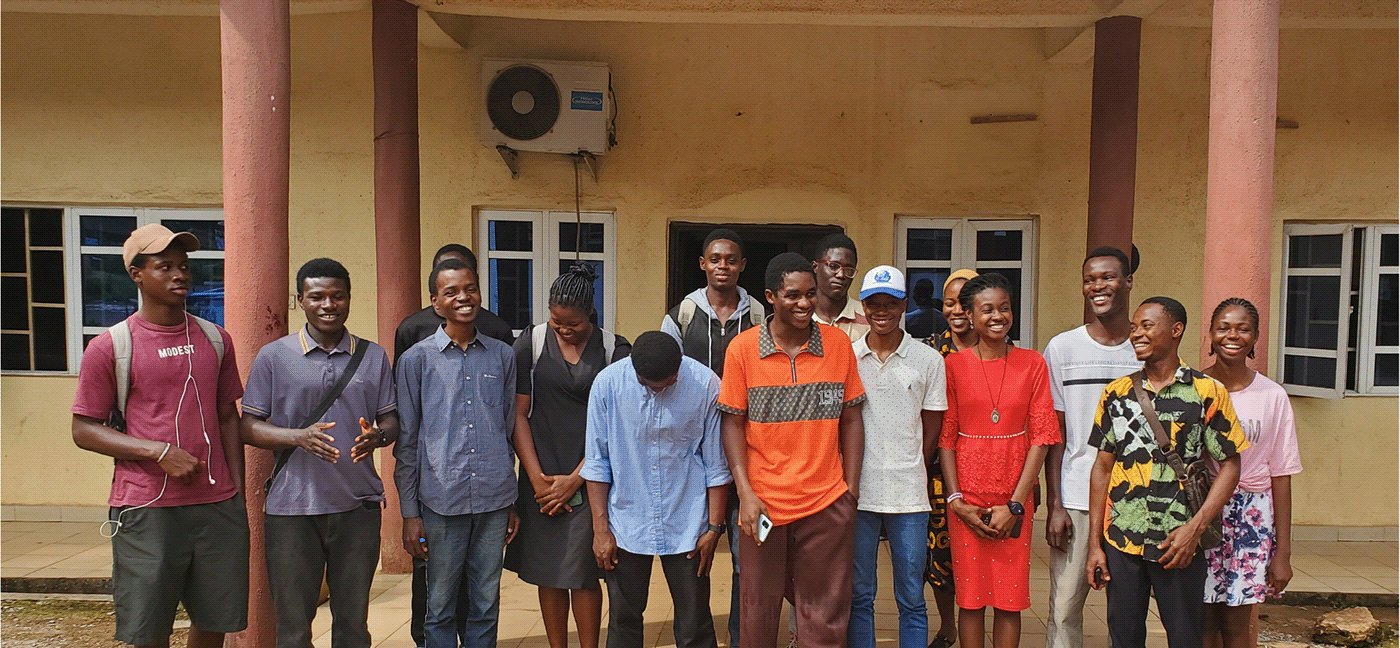
Africa's Hardware Revolution — From Spark to Ignition. Open to every student, no fee.
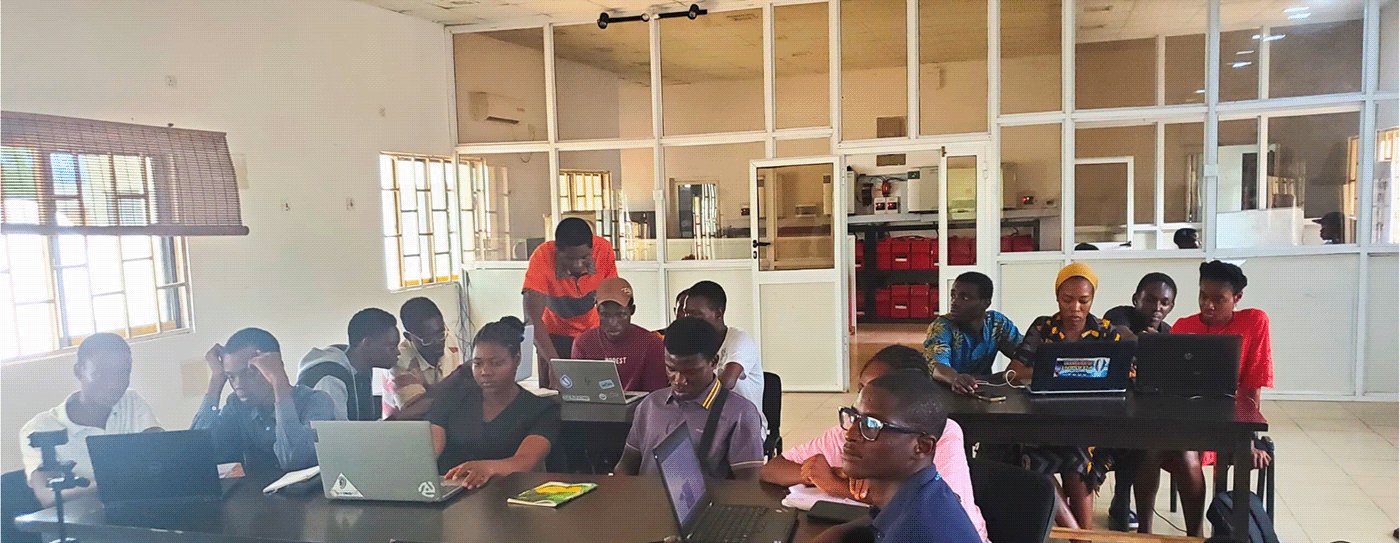
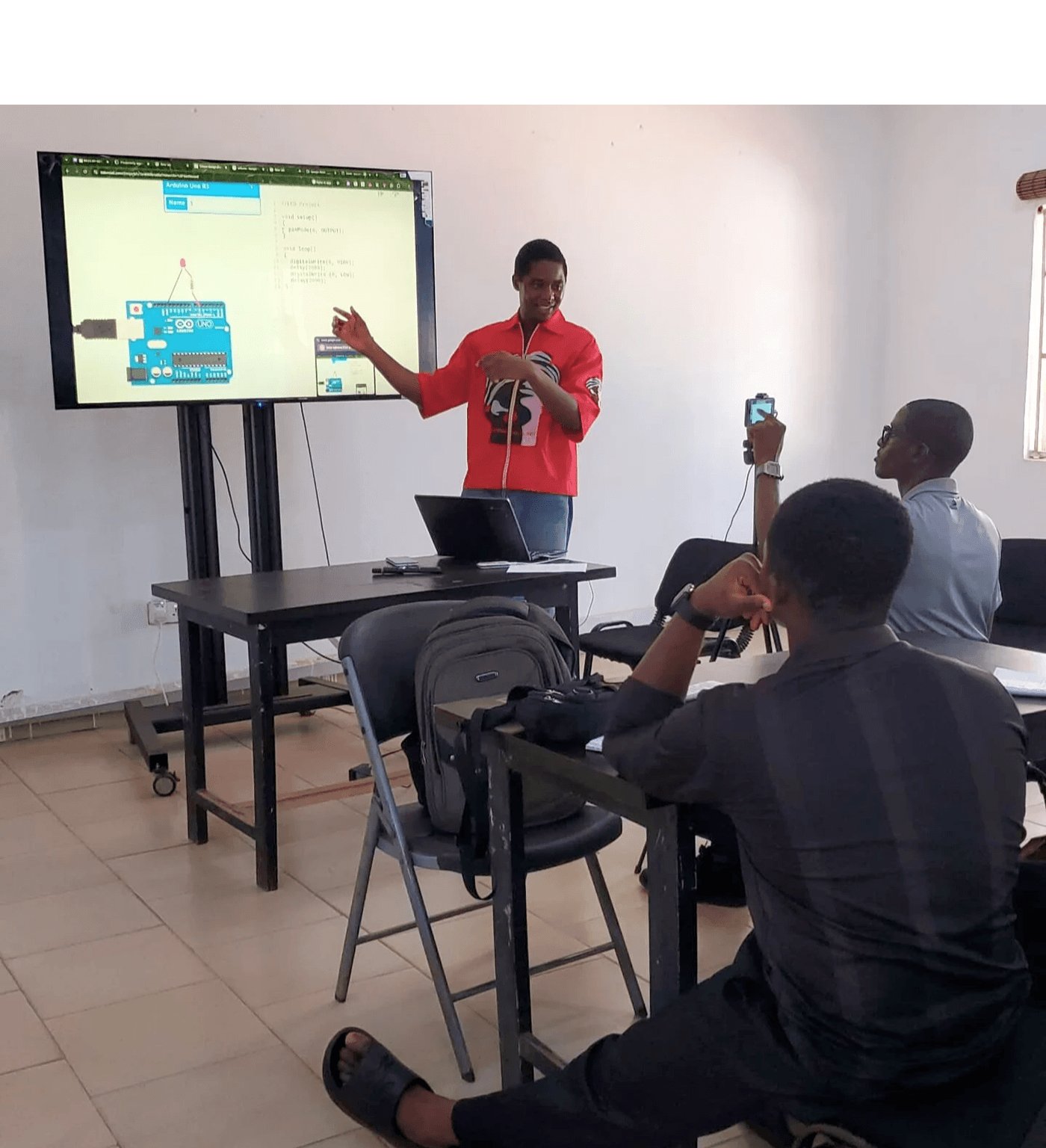
A hardware community is only as good as the machines in the room. Ours prints enclosures, jigs, mounts and brackets in-house — so a part designed on Monday can be in your hand on Tuesday instead of waiting weeks on an import.
Our 3D printer running in the lab at UNN Nsukka.
Enclosures, brackets, jigs and custom parts printed on site. Free for member projects, and available as a paid service to students, researchers and businesses outside the community.
Soldering stations, measurement gear, dev boards and a component library — so a project stalls on your thinking, not on your budget.
Print it, test it, revise it, print it again. Fast iteration in-house is the difference between a school project and something you can put in front of a user.
From Spark to Ignition
We are running a free hardware bootcamp for every student at the University of Nigeria, Nsukka. No fee, no prior electronics experience, no particular course of study required. Come to learn, come to build, and come to be inspired by what is already being made here. Other selected universities across South-East Nigeria follow next — at least one in each state.
It is more than a bootcamp. A hackathon runs inside it — teams building against a brief, with prizes to be revealed — and a one-day hardware technology conference follows a few days later, where the hackathon winners are announced.
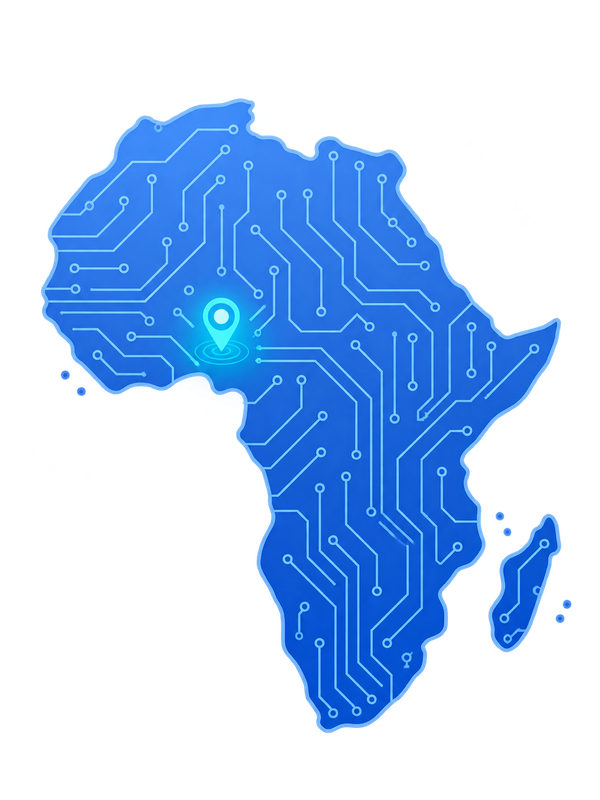
Nigeria, and much of Africa, imports the technology it depends on. We think the capacity to build it is already here; it has simply never been trained and equipped. That is the gap Ogbontor exists to close.
A 19-module curriculum that runs from Ohm's law to FPGA design and edge AI — taught hands-on, with a board in front of you, not slides.
Members work on real prototypes from week one. Fourteen systems are on our bench so far, from assistive tech to grid instrumentation.
Capstone projects that prove themselves become products. We help members with patents, pitches, pilot users and company formation.
The long game: hardware designed and assembled here in Enugu — consumer electronics, vehicles, instruments — instead of imported and repaired.
Not concepts or renders — boards that were populated, enclosures that were printed, firmware that was flashed, and systems that ran outside the lab.
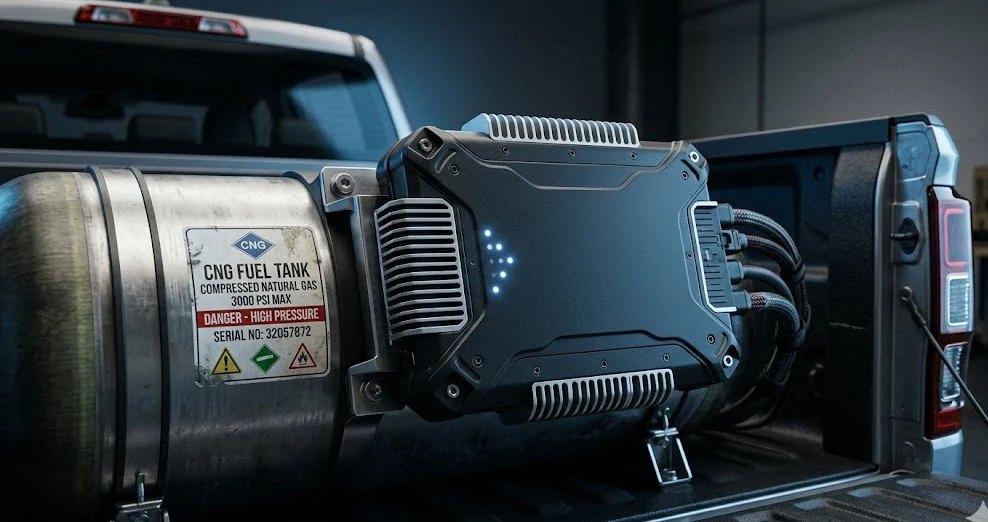
A smart IoT-blockchain device that monitors compressed-natural-gas cylinders — pressure, integrity and custody — signed on the device and verifiable on chain. Now a company of its own.
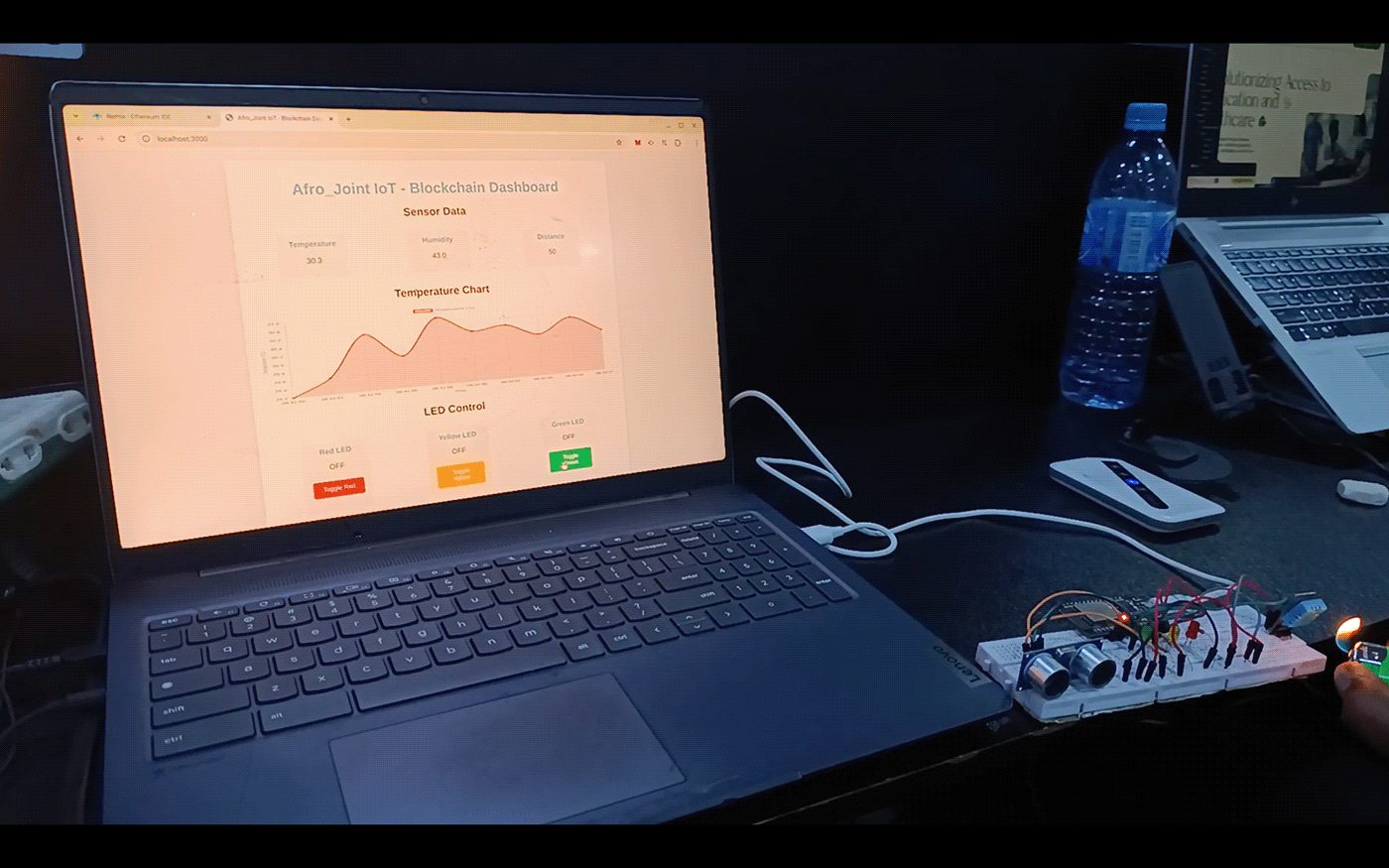
An autonomous agent for embedded development — it writes firmware, compiles, debugs and flashes real hardware from one browser tab. Spun out of this lab into its own product.
The classic controls exercise done properly — sensor array, tuned PID loop, and a chassis the team built in-house. Press play to watch it track the line.
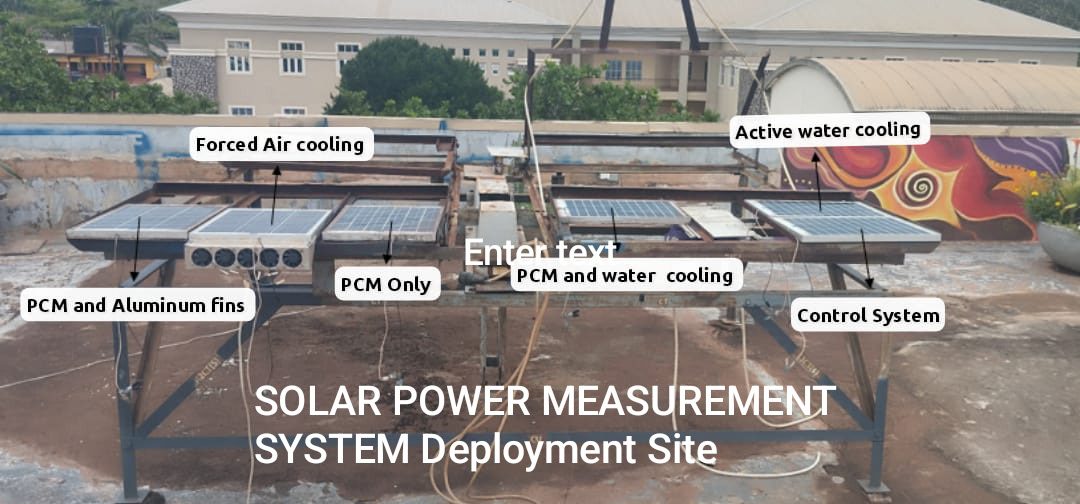
Measures and logs output across up to six solar panels at once, comparing passive fins, forced air and water cooling on a live rooftop deployment.
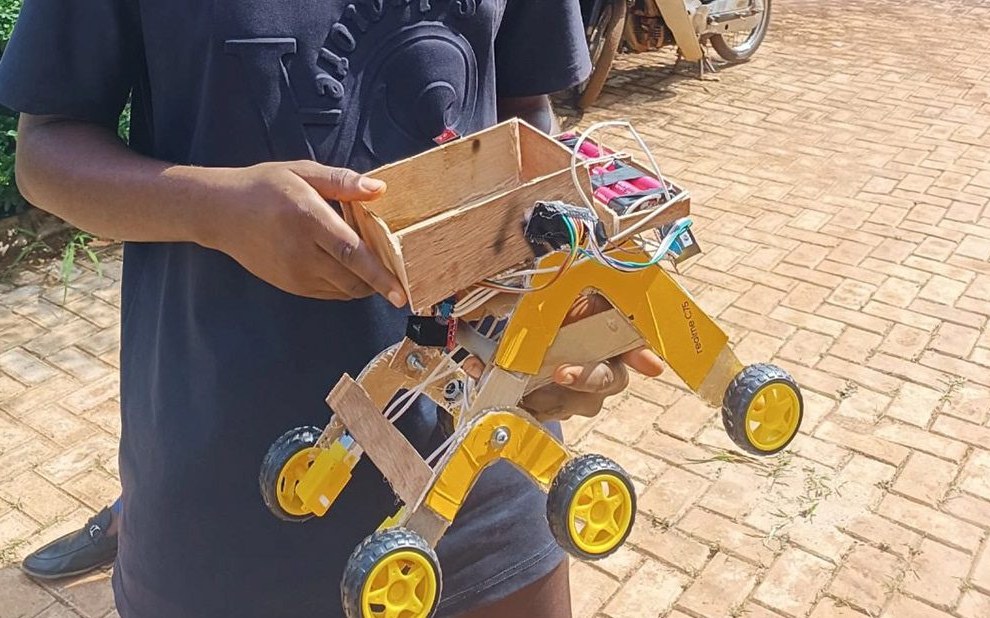
A six-wheel rover driven over Bluetooth, built to keep traction and stay level on the broken ground around campus.
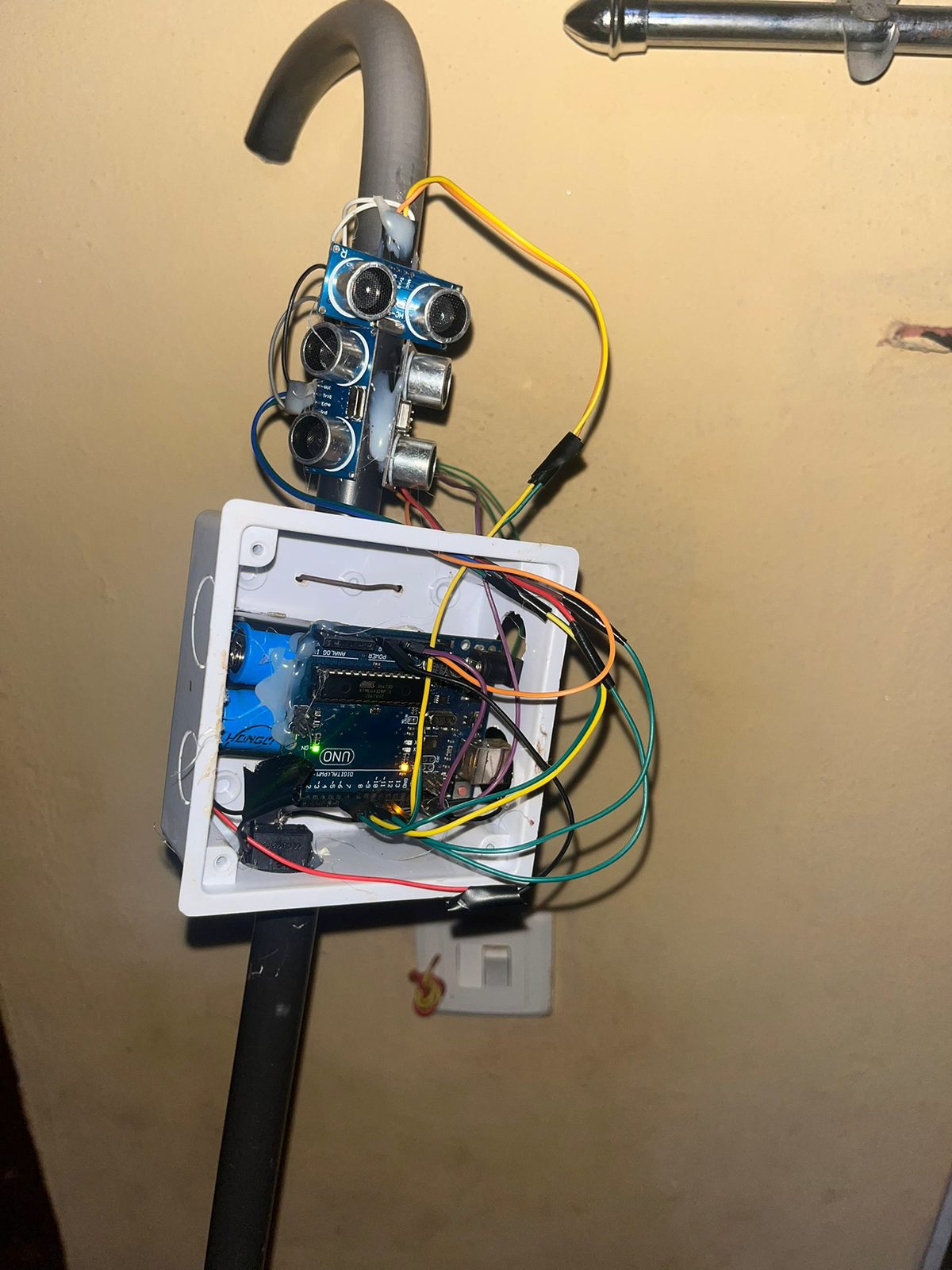
Ultrasonic ranging with haptic and audible feedback, so a user feels an obstacle before they reach it. Field-tested on open ground.
Most people who want to build hardware stall because nobody ever laid the path out in order. Ours runs from your first resistor to CPU architecture and sensor fusion, with a capstone that has to work in front of real users.
The hardest part of hardware is the hour where nothing works and you have no idea why. A community is what gets you through that hour — and ours is the largest of its kind in South-East Nigeria.
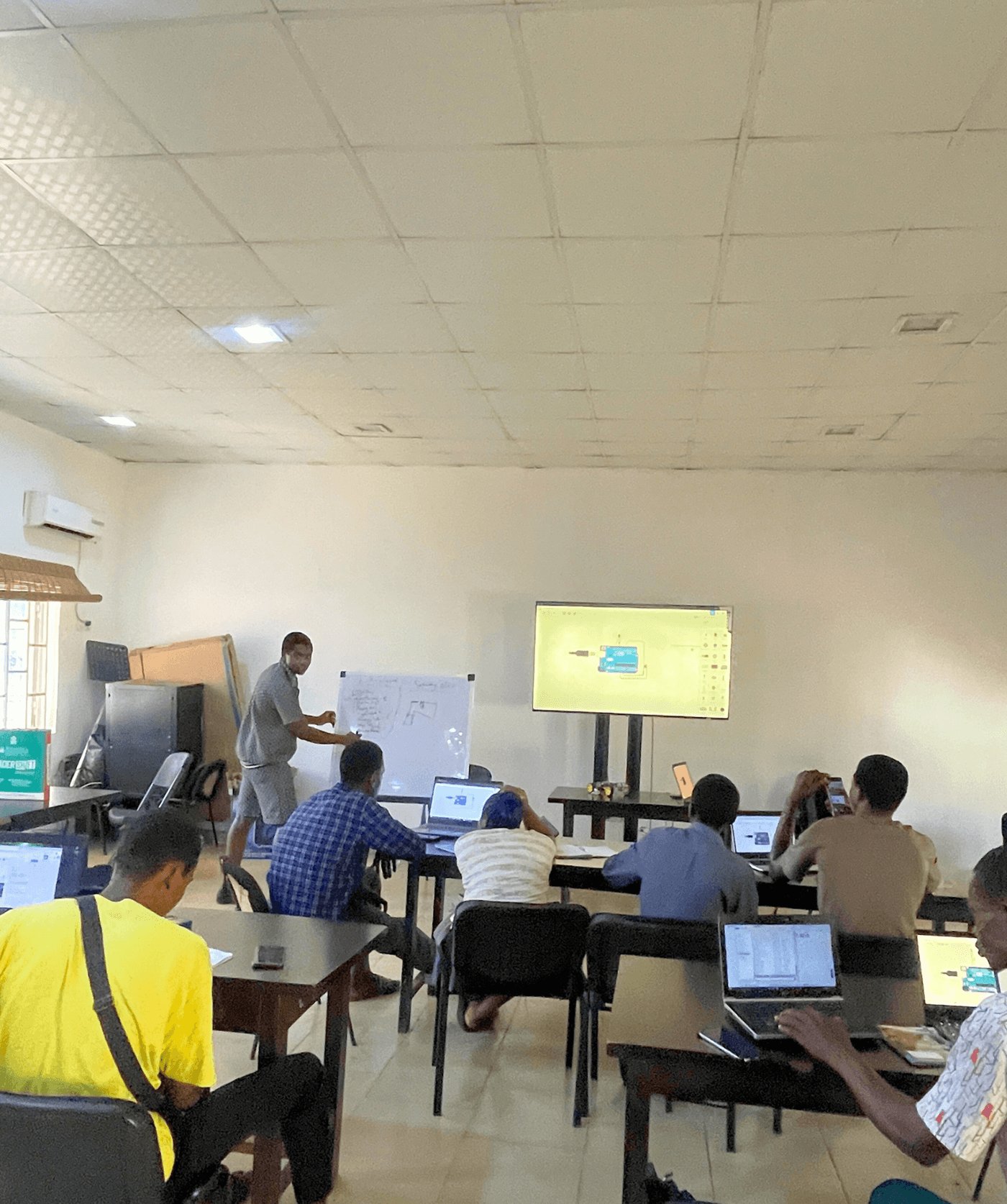
Our long-term objective is not a better robotics club. It is indigenous capability — smartphones, televisions and consumer electronics designed here; vehicles, aircraft and smart systems built for African roads, climate and culture rather than adapted from somewhere else.
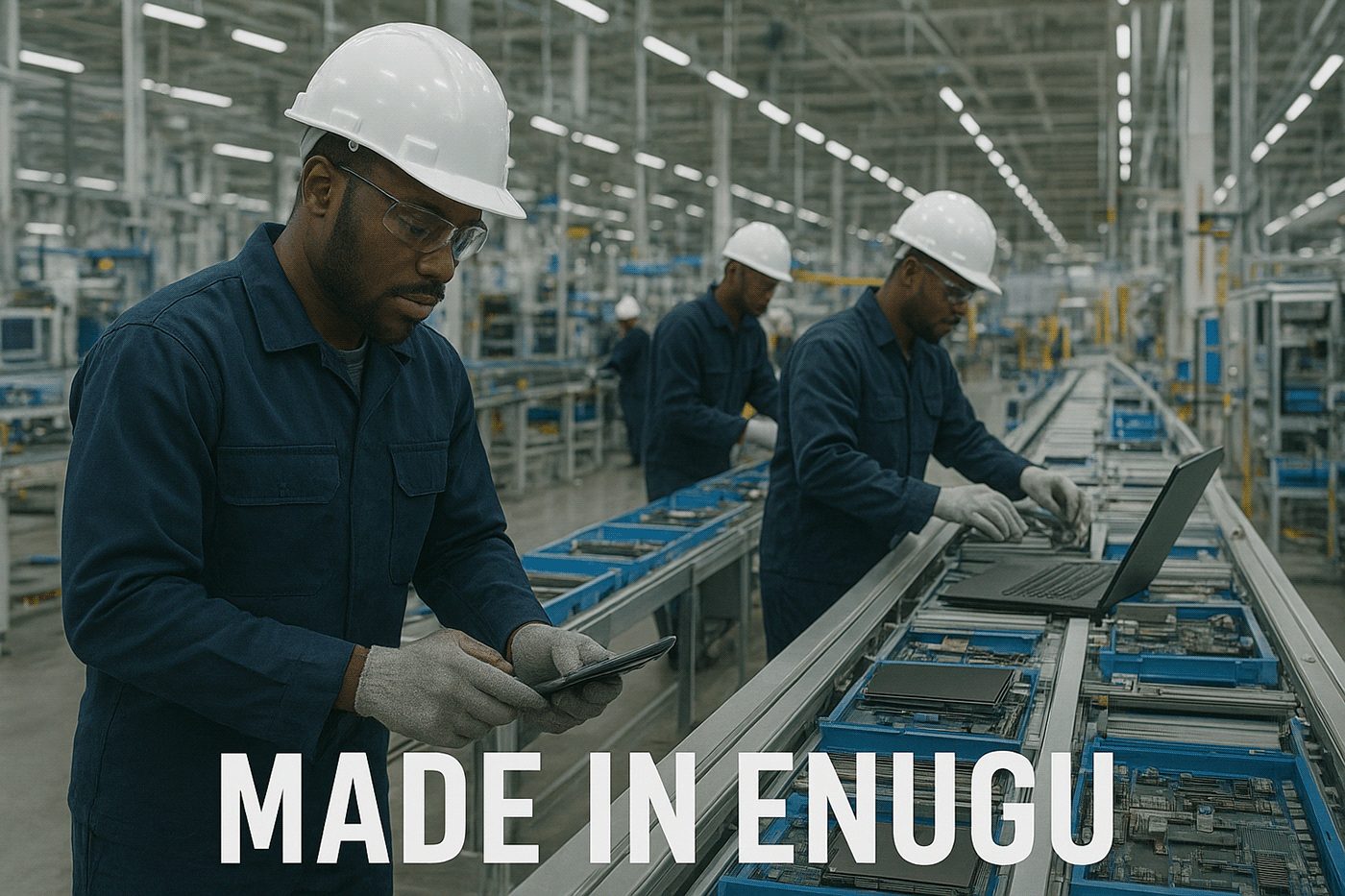
Assembly and test lines staffed by engineers we trained ourselves.
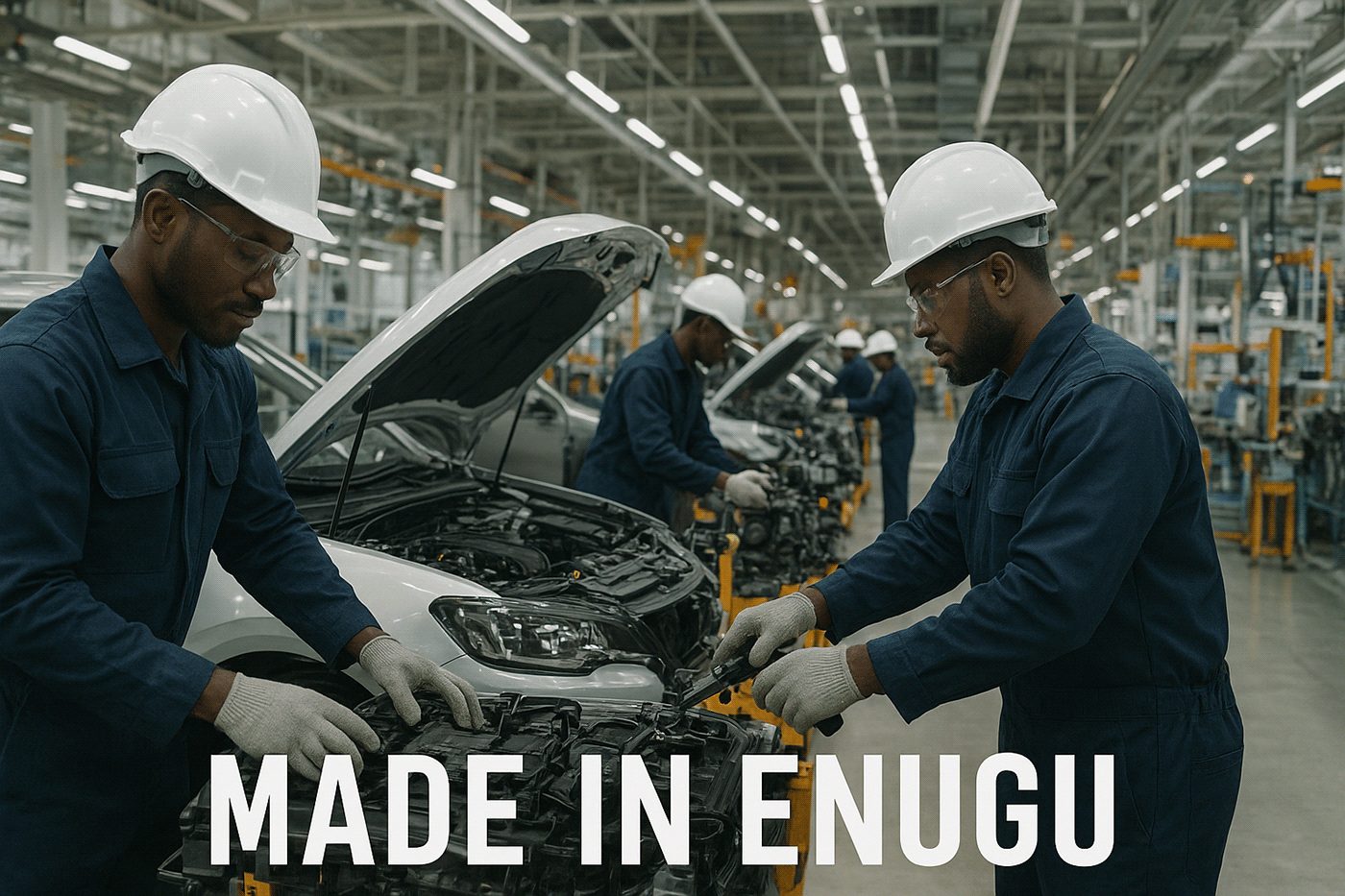
Drivetrains and control systems designed for the roads we actually drive on.
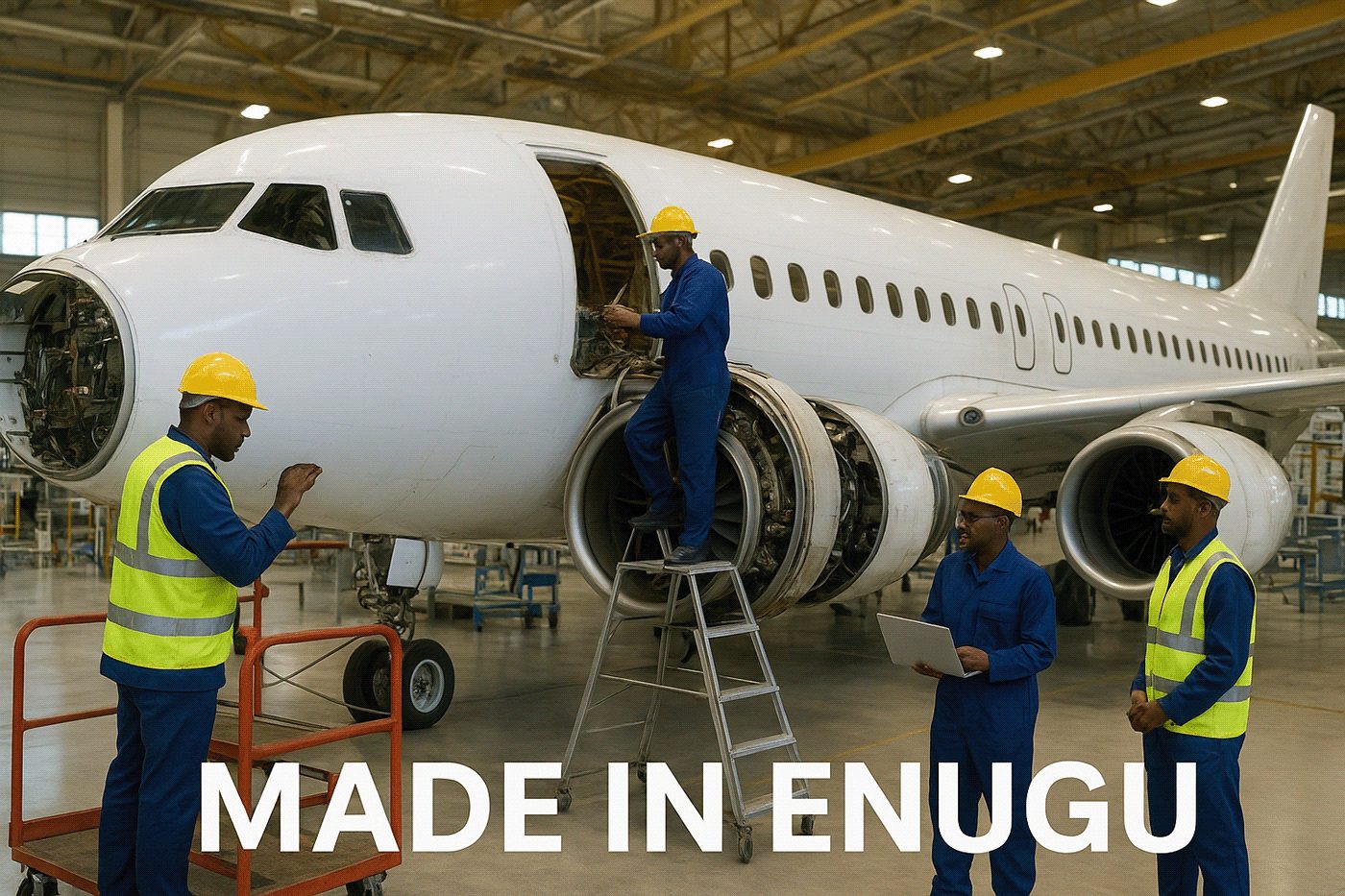
The far end of the roadmap — and the reason the curriculum goes as deep as it does.
Illustrative concepts — these show the direction of the roadmap, not facilities currently in operation.
Capstones that prove themselves become products, and products become companies. These two came out of this lab.
An autonomous agent for embedded development — writes firmware, compiles, debugs and flashes real hardware from the browser.
jointagentide.com
Smart IoT-blockchain monitoring for compressed-natural-gas cylinders — pressure, integrity and custody, verifiable on chain.
cngprotect.comAfter the campus bootcamp, we are organising the biggest hardware campus bootcamp in South-East Nigeria — a gathering of over 800 attendees, with speakers from across Nigeria and from around the world. We are looking for partners to help us build it.
Students, makers and early-career engineers from campuses across South-East Nigeria, in one room.
Practitioners from Nigeria and from around the world, talking about hardware people actually shipped.
Venue, components, printing, travel for speakers, and seats kept free for students who could not otherwise attend.
Branding across the event and this site, a stand on the floor, and first access to the people you want to hire.
Sponsorship packages are open now — equipment, component budgets, speaker travel, internship places or straightforward funding. Tell us what you have in mind and we will send the deck.
Join the largest student hardware tech community in South-East Nigeria. Bring curiosity; we will supply the bench, the boards and the people.